I am very hard on myself. Brutal, in fact. Some years ago, I did a self-compassion test and was surprised to come out very low. What I have found is that while I try to be compassionate to others, I lack the same compassion when it comes to me. I often punish myself over the smallest of errors. One of the ways this plays out with others is that I often assume responsibility for any mistake, often believe I have done something wrong if there is a problem, and if a police officer walks into the room, well…
I have learnt the value of self-compassion. I have also learnt how it is related to perfectionism. Which is why I am a huge fan of Brené Brown–which here means I constantly annoy people with quotes from her–and, in particular, I adore this description of perfectionism and self-compassion. This is particularly important for innovators and creatives who will make mistakes. You can’t lead the new without making some. So, if your goal is to be perfect and make no mistakes, then innovation is not your space. However, we also recognize that making a mistake challenges our self-compassion.
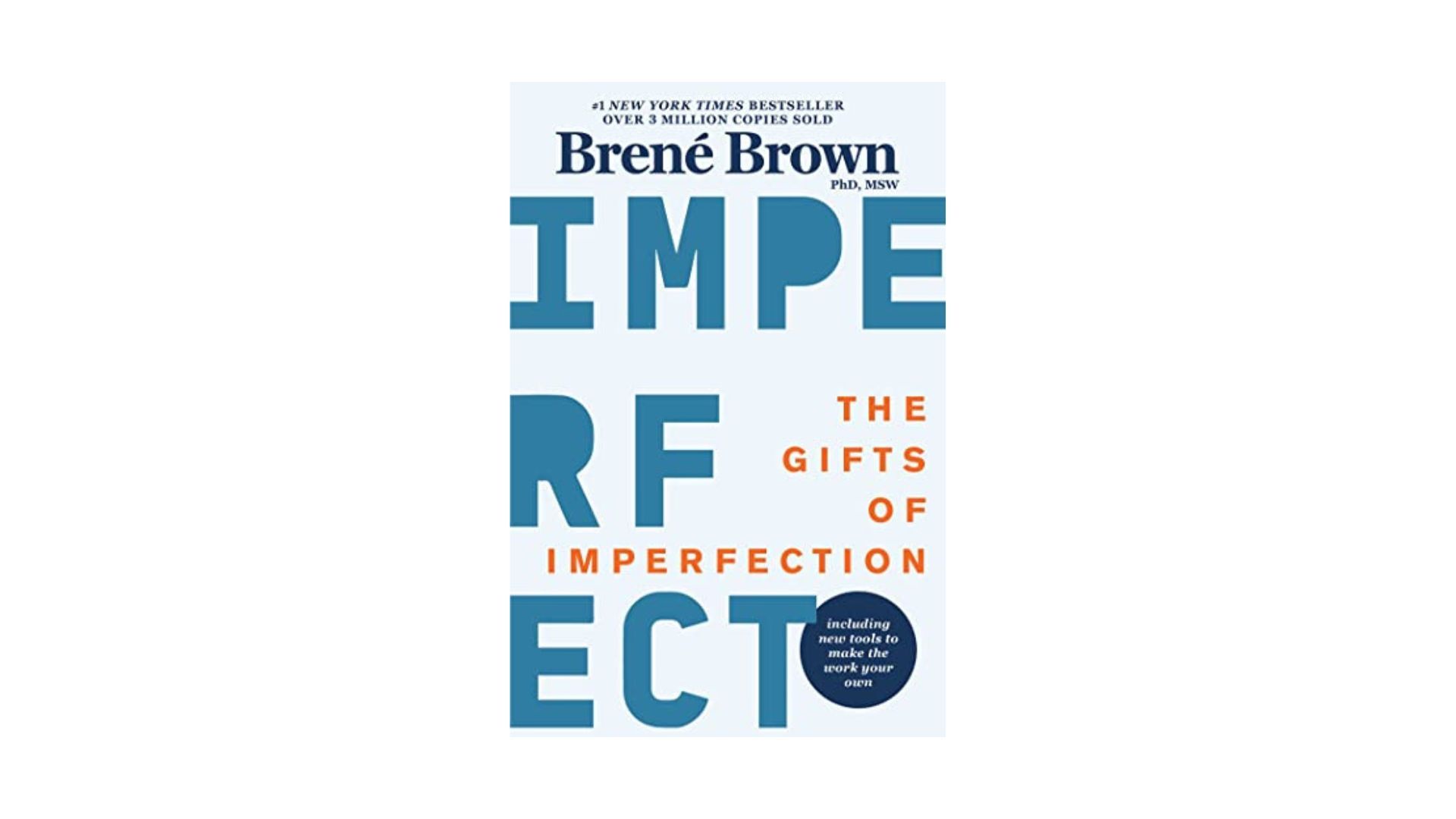
I thought about putting my own words around this but then decided to let her speak for herself. So, here is a section from her book, The Gifts of Imperfection, and from “Guidepost #2” about letting go of perfectionism and cultivating self-compassion.
'As a recovering perfectionist and an aspiring good-enoughist, I’ve found it extremely helpful to bust some of the myths about perfectionism so that we can develop a definition that accurately captures what it is and what it does to our lives.
Perfectionism is not the same thing as striving to be your best. Perfectionism is not about healthy achievement and growth. Perfectionism is the belief that if we live perfect, look perfect, and act perfect, we can minimize or avoid the pain of blame, judgment, and shame. It’s a shield. Perfectionism is a twenty-ton shield that we lug around thinking it will protect us when, in fact, it’s the thing that’s really preventing us from taking flight. It’s stopping us from being seen.
Perfectionism is not self-improvement. Perfectionism is, at its core, about trying to earn approval and acceptance. Most perfectionists were raised being praised for achievement and performance (grades, manners, rule-following, people-pleasing, appearance, sports). Somewhere along the way, we adopt this dangerous and debilitating belief system: I am what I accomplish and how well I accomplish it. Please. Perform. Perfect. Healthy striving is self-focused—How can I improve? Perfectionism is other-focused—What will they think?
Understanding the difference between healthy striving and perfectionism is critical to laying down the shield and picking up your life. Research shows that perfectionism hampers success. In fact, it’s often the path to depression, anxiety, addiction, and life-paralysis. Life-paralysis refers to all of the opportunities we miss because we’re too afraid to put anything out in the world that could be imperfect. It’s also all of the dreams that we don’t follow because of our deep fear of failing, making mistakes, and disappointing others. It’s terrifying to risk when you’re a perfectionist; your self-worth is on the line.
I put these four insights together to craft a definition of perfectionism (because you know how much I love to get words wrapped around my struggles!). It’s long, but man, has it helped me!
Perfectionism is a self-destructive and addictive belief system that fuels this primary thought: If I look perfect, live perfect, work perfect, and do everything perfectly, I can avoid or minimize the painful feelings of shame, judgment, and blame.
Perfectionism is self-destructive simply because there is no such thing as perfect. Perfection is an unattainable goal. Additionally, perfectionism is more about perception—we want to be perceived as perfect. Again, this is unattainable—there is no way to control perception, regardless of how much time and energy we spend trying.
Perfectionism is addictive because when we invariably do experience shame, judgment, and blame, we often believe it’s because we weren’t perfect enough. So rather than questioning the faulty logic of perfectionism, we become even more entrenched in our quest to live, look, and do everything just right.
Feeling shamed, judged, and blamed (and the fear of these feelings) are realities of the human experience. Perfectionism actually increases the odds that we’ll experience these painful emotions and often leads to self-blame: It’s my fault. I’m feeling this way because “I’m not good enough.”
To overcome perfectionism, we need to be able to acknowledge our vulnerabilities to the universal experiences of shame, judgment, and blame; develop shame resilience; and practice self-compassion. When we become more loving and compassionate with ourselves and we begin to practice shame resilience, we can embrace our imperfections. It is in the process of embracing our imperfections that we find our truest gifts: courage, compassion, and connection.'
Among the many things you can draw out of this, the first for Project Nexus, and myself, is the value of self-compassion. We need to allow ourselves space to make mistakes and give ourselves permission to have another go. Self-compassion and permission are connected. So, be kind to yourselves out there. I will give it a go as well.